What Is Hold & Win in Slots? How the Feature Works
Hold & Win is a respin feature where qualifying symbols lock in place and new qualifying symbols can reset the respin counter.
In many Hold & Win slots, the round keeps going for as long as new qualifying symbols keep landing. The exact trigger, respin count, jackpot rules and ending condition vary by title.
The draw is what sits on top of it. Hold and Win rounds often carry jackpot prizes way beyond the normal symbol payouts, and in plenty of games the feature runs until every position on the grid is full. Rules shift from title to title though, so keep the paytable handy.
What Is a Hold and Win Slot?
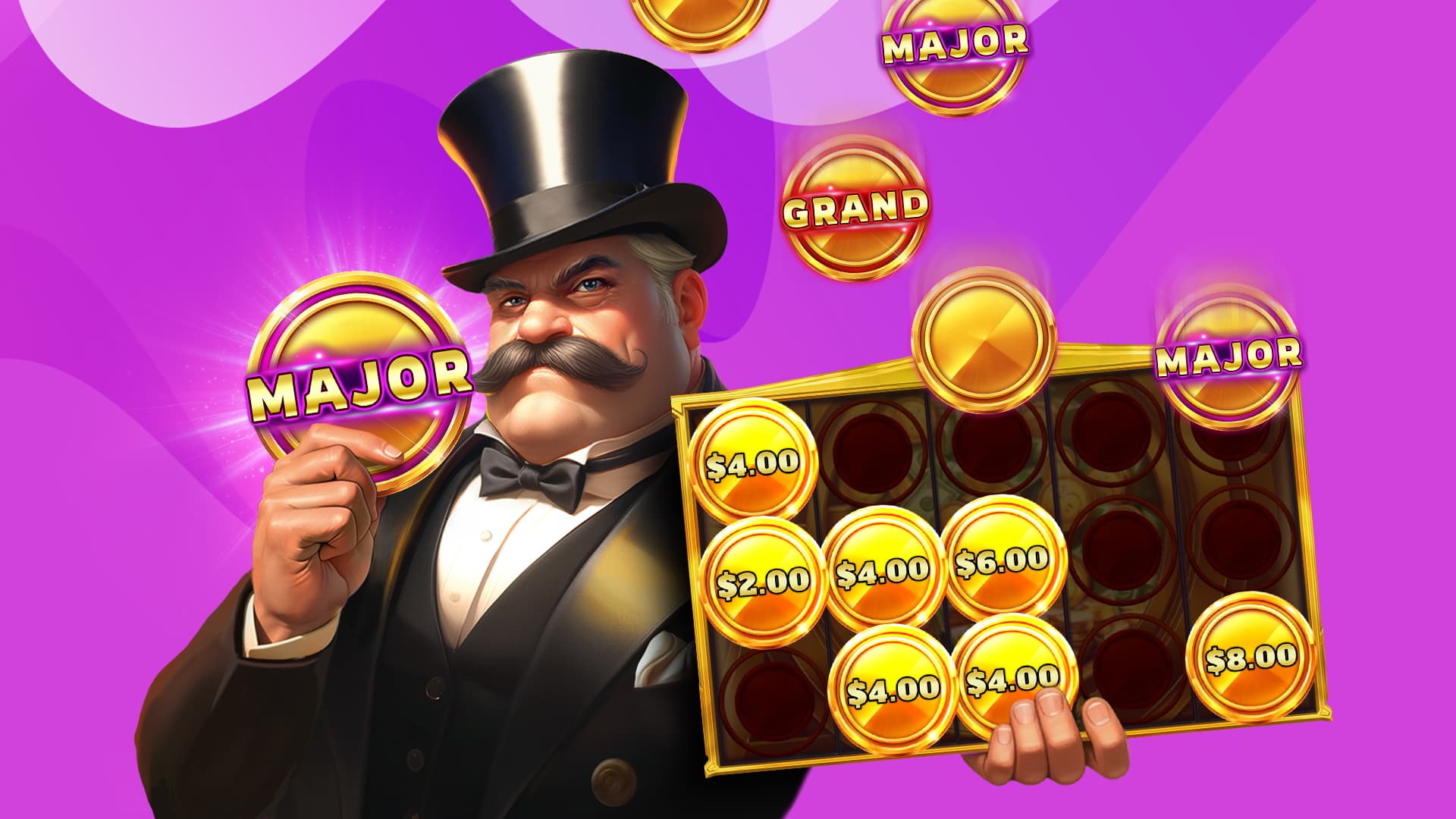
Strip away the dragons or the pirates or whatever else is on the reels and the common pattern is easy to spot. Qualifying symbols, often coins with prize values, lock in place while the remaining positions respin.
Then the respins start, and the only thing that can land is another coin. Three respins is the common starting number, but it does vary, so check the paytable.
Every new coin does two jobs. It adds its value to your total, and it resets the respin counter. That reset is the engine of the whole thing. Keep landing coins and the round keeps rebuilding itself.
How do You Trigger the Hold & Win Feature?
It depends entirely on the game. Some want six or more coins in one spin. Others take three. Some use a different combination altogether. There is no standard here, so the paytable is your only reliable answer.
The jackpot structure sits alongside the coin values. Mini, Minor, Major and Grand are common tier labels, though not every game uses all four.
Many Hold & Win slots price each tier as a fixed multiple of your bet, while others attach progressive or must-drop jackpots to the same feature, so the structure needs checking per title.
How Does a Hold and Win Slot Work?
A typical Hold & Win sequence looks like this:
- You spin the base game as normal, at whatever stake you have set.
- Qualifying symbols land in sufficient number to meet whatever the game sets as its trigger.
- The bonus grid opens with those symbols locked in position and everything else cleared away.
- The respins begin, during which only qualifying symbols can land. Three is a common starting count, though it differs between games.
- Each new coin resets the counter to its starting number, extending the round.
- The feature usually ends when the respin counter reaches zero or when a game-specific completion condition is met, such as filling the grid. The paytable confirms the exact rule.
Now, the Grand Jackpot. This is the bit people get wrong most often.
In plenty of Hold and Win games, filling every position on the grid awards the Grand. In others you need a specific Grand symbol to land. Game-specific, every time.
Where the jackpot is a bet multiplier, the maths is easy. A 1,000x Grand pays $500 on a $0.50 stake. Bet $2 and the same Grand pays $2,000. It scales with what you put in.
Where a game uses a progressive or must-drop jackpot instead, the prize comes out of a shared pool and does not follow your stake the same way.
Can You Win Jackpots in a Hold and Win Game?
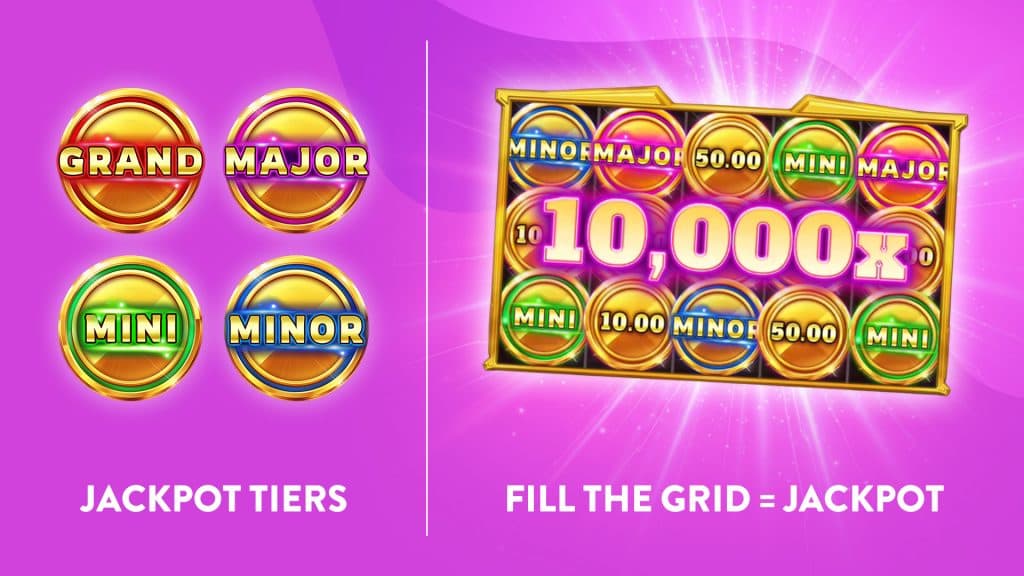
Yes. Jackpot symbols carry their tier value printed on them, and landing one during the respin round awards that multiplier directly. In many games, filling the full grid also awards the Grand regardless of which individual coins landed along the way.
Be realistic about it though. Where the Grand wants every single position filled before your respins run out, that is a big ask. The good news is the feature still pays without it. Lower-tier coins and the values you have collected do their own work. Treat the Grand as the ceiling, not the plan.
Here is something that trips people up. Plenty of Hold and Win games price their jackpots as fixed bet multipliers, so a 1,000x Grand pays 1,000x every single time, whether it last hit an hour ago or a month ago.
But that is not the whole story. Some titles bolt progressive or must-drop jackpot structures onto the same feature, and those grow or resolve according to their own rules. Check which one you are dealing with.
What Other Hold and Win Variations Are There?
Hold and Spin
Two names, same family. Which one a game uses often comes down to the provider rather than anything you would notice playing. Both mean symbols locking and respins starting.
Do not assume the label creates a universal mechanical difference. Providers use Hold & Win, Hold & Spin and similar names for related lock-and-respin formats, while the exact trigger, respin and jackpot rules are set by each game.
Cash and Coin Collect
This one changes when you get paid. A Collect symbol lands, sweeps up whatever coin values are showing, and sends the total straight to your balance. In many versions it resets your respins too. Money arrives during the feature instead of at the end, and that changes the whole rhythm of the round.
Other variations
Developers keep remixing the format. You will find +1 respin symbols that add a spin on top of the standard reset, expanding grids that open new positions mid-round, doubling coins that multiply nearby values, and multiplier coins that apply to the total. The paytable for any specific game is the definitive source for which of these are in play.
Why Hold and Win Feels Different From Free Spins
Both are bonus rounds, but they are built on opposite principles, and knowing which you prefer saves a lot of trial and error.
A free spins round hands you a fixed allowance and counts it down. Ten spins means ten spins. Every one that passes takes you closer to the end. Retriggers help, but the direction of travel is always toward zero.
Hold and Win runs the other way entirely. The counter resets each time a coin lands, so the feature renews itself instead of running down. It only ends when the reels stop cooperating, and a good round can go on far longer than three respins suggests.
There is a difference in what you are watching, too. Free spins keep the reels behaving normally, with any symbol able to pay. Hold and Win clears everything except the coins, so the grid shows you exactly what you have got and exactly how much space is left. That is a big part of why it grips.
What to Check in a Hold & Win Paytable

- Check the jackpot structure. Some games use fixed bet multipliers, others attach progressive or must-drop systems. The two behave differently and the paytable states which applies.
- Check the trigger condition. The number and type of symbols needed varies between titles, so read it rather than assuming a standard.
- Check the starting respin count. Three is common but not universal, and it sets how much room the feature has before the first reset.
- Check whether a Buy Bonus exists. Some Hold & Win games let you pay a set multiple of your stake to enter the feature directly.
More About Hold & Win Slots
What does Hold and Win mean in slot games?
Qualifying symbols lock in place on the grid and a set number of respins begins. Each new qualifying symbol that lands resets the counter, extending the round. The feature pays the accumulated values when the respins run out or, in many games, when the grid is filled.
Are Hold and Win jackpots fixed or progressive?
It depends on the game. Many price their jackpot tiers as fixed multiples of your bet, so a 1,000x Grand pays 1,000x every time it triggers. Others attach progressive or must-drop systems to the same feature. Confirm the structure from the paytable.
How do you trigger the Hold and Win feature?
By landing enough qualifying coin symbols in a single spin. There is no standard threshold across the format: some games ask for six or more, others for three, and others use a different combination entirely. Check the paytable for the title you are playing.
What is the difference between Hold and Win and Hold and Spin?
They are closely related names within the same mechanic family, and the label often reflects provider naming rather than one universal ruleset. Check the paytable for the exact trigger, respin behavior and jackpot conditions in the title you are playing.
How does the Hold & Win round end?
The round ends according to the game’s own rules. Common endings include the respin counter reaching zero or the grid filling completely, but not every Hold & Win title uses the same completion condition. Check the paytable for the exact rule.